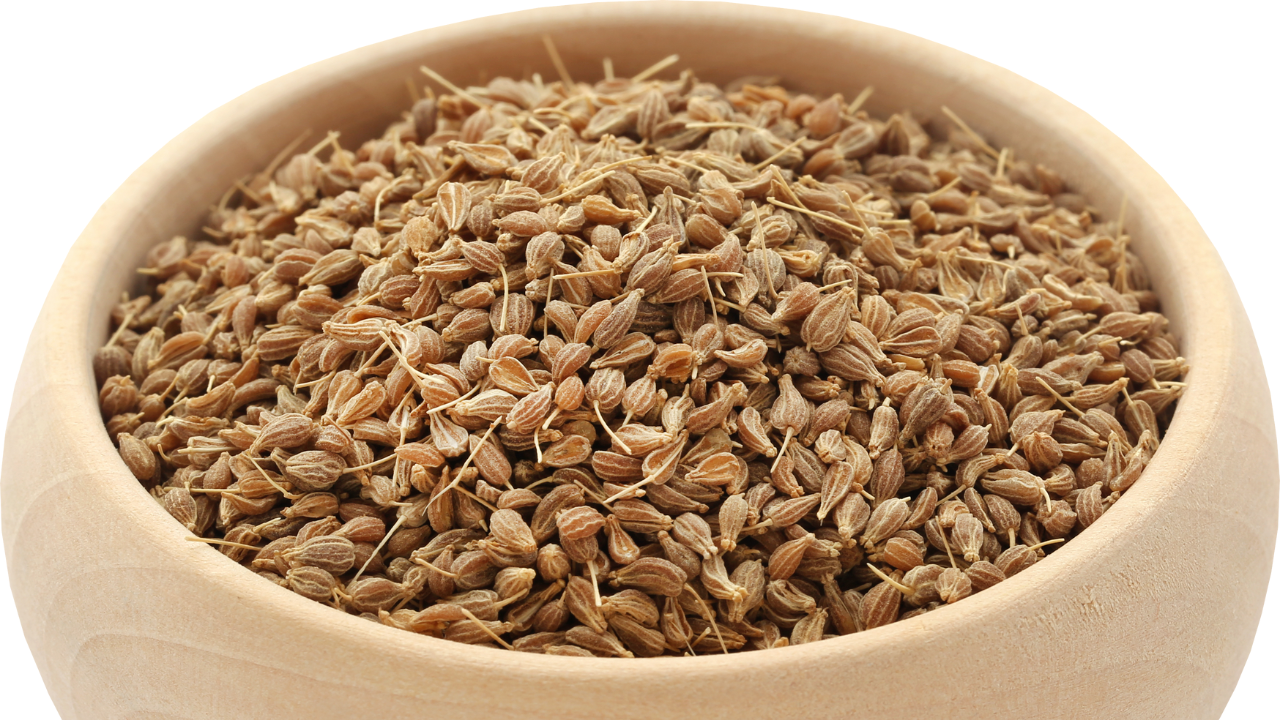
If you’re here, you’re probably wondering whether anise (aniseed) can actually help you make more breast milk while breastfeeding.
This guide breaks it all down: what anise is, what the research says, how it’s used in breastfeeding, and whether it’s worth adding to your breastfeeding toolbox.
Why Anise Shows Up in So Many Lactation Teas
Anise (also called aniseed) comes from the plant Pimpinella anisum, part of the parsley family. It’s native to the eastern Mediterranean and has been used for centuries in cooking and traditional medicine. The seeds have a sweet, licorice-like flavor and are packed with a compound called anethole, which has estrogen-like effects.
Important note: Aniseed is not the same as star anise. They look and taste similar, but come from different plants. Star anise should be avoided during pregnancy and breastfeeding due to potential safety concerns.
Because of anethole, anise is believed to help support milk production, which is why you’ll often find it in lactation teas alongside herbs like fennel and fenugreek.

What the Research Really Says About Anise and Breastfeeding
The research on anise and breastfeeding is limited, but there are some early signs it might help in certain situations.
In one study with moms of preemie babies, those who drank anise tea showed an increase in milk volume by day three. Researchers believe this may be due to anethole’s ability to trigger prolactin, the hormone that helps produce milk. Animal studies back this up too, showing higher milk output in rats given anise extracts.
But small sample sizes and short-term trials mean we can’t say for sure how effective it is for everyone. What works in a lab doesn’t always translate to daily life, and everybody responds differently.
Should You Try Anise Tea While Breastfeeding?
Anise is widely available in store-bought lactation teas or as a single herb at health food stores. A cup or two of anise tea per day is generally considered safe while breastfeeding, as long as you don’t have allergies to related herbs like fennel or celery.
Some moms notice gassiness in their babies when drinking herbal teas, especially blends. Others feel fine. Like a lot of things in early motherhood, it takes some trial and error.
If you decide to try it:
- Look for organic, food-grade anise (not concentrated essential oils)
- Stick to the package directions for steeping
- Start with one cup and see how you and your baby respond
DIY Anise Tea Recipe:
Crush 1 teaspoon of anise seeds and steep in boiling water for 10 minutes. Sip 1–2 cups daily.
Some traditional practices suggest up to six teaspoons daily in the first week, then dropping to three teaspoons to maintain milk flow. But there’s no official dosage. Start slow and adjust as needed.

When to Skip Anise
Anise is generally safe in food-level amounts, but it’s not right for everyone. Avoid it if:
- You have a history of hormone-sensitive conditions like breast or ovarian cancer, endometriosis, or fibroids
- You’re taking hormone-based medications like birth control
- You’re allergic to plants like fennel, dill, celery, or coriander
In high doses, anise can cause nausea or interfere with estrogen-based medications. If in doubt, talk to your healthcare provider.
When Anise Isn’t the Answer (and What to Try Instead)
If your supply feels low, herbs might help—but only as part of a bigger picture. Start by looking at these basics:
- Nurse or pump more often
- Add pumping sessions between feedings
- Use breast compressions to help milk flow
- Make sure your baby is latching well and actually removing milk
- Rest, hydrate, and eat enough calories
If you’re doing all of this and still struggling, a lactation consultant can help you find the missing piece.
Final Thoughts on Anise and Breastfeeding
Trying anise for breastfeeding might be a gentle, natural way to support your milk supply—especially if you enjoy tea and want to add a calming ritual to your day. Just keep expectations in check. It may help, it may not. What matters most is finding what works for you.
You’re doing something amazing by feeding your baby—whether that’s with a full freezer stash, a few pumped ounces, or combo feeding with formula. There’s no one-size-fits-all path. One step at a time, you’re finding your way. And that’s enough.
Resources
- Find a breastfeeding support group near you.
- Milkology Breastfeeding Class – Affordable, video-based online course to help you master breastfeeding at your own pace.
References
- The effect of Pimpinella anisum herbal tea on human milk volume and weight gain in the preterm infant: a randomized controlled clinical trial — BMC Complementary Medicine and Therapies (2023-01-21)
- Anise – Drugs and Lactation Database (LactMed®) — National Library of Medicine / NCBI (2025-09-15)
- Pimpinella anisum and female disorders: A review — ScienceDirect / Heliyon (2021)
- Lactation Supplements to Increase Milk Supply: What Works and How to Choose — Cleveland Clinic Health Essentials (2024-02-07)
