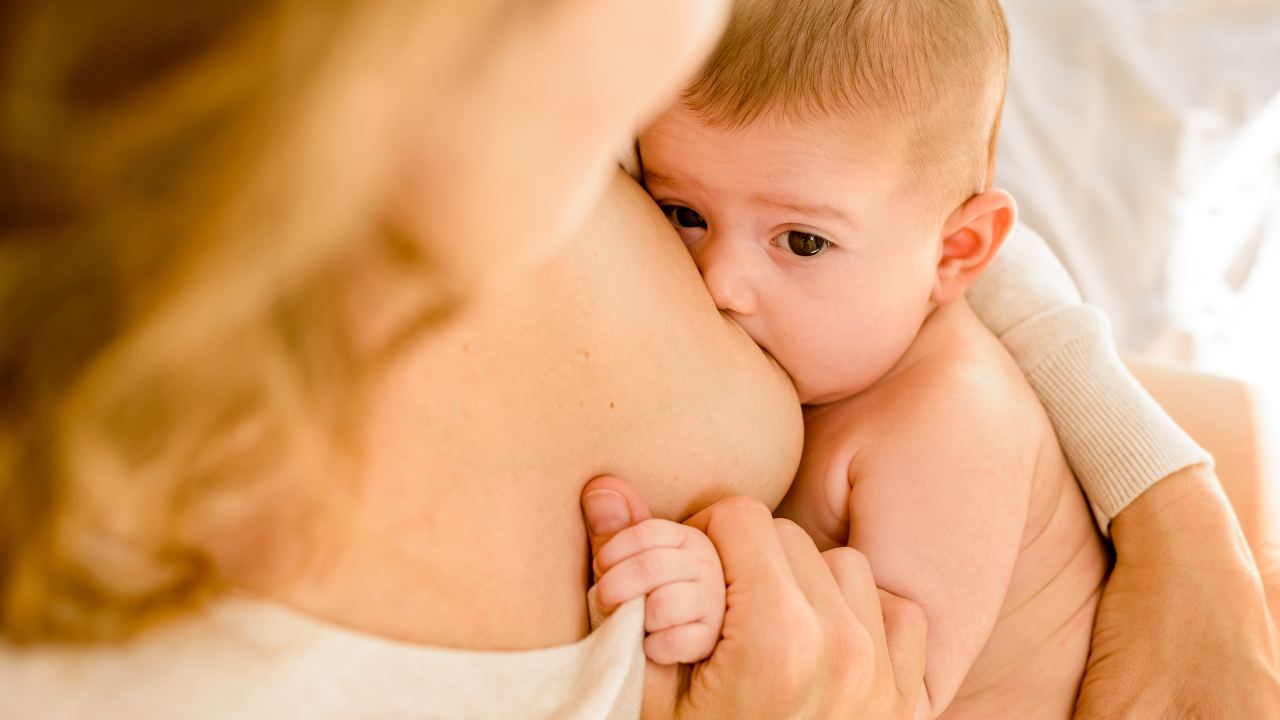
If you’ve just pumped or breastfed and noticed your milk has a pink or rusty tint—or even streaks of red—it’s completely normal to feel alarmed. The good news? Most of the time, blood in breast milk isn’t dangerous for you or your baby. It’s more common than people talk about, and in many cases, it clears up on its own.
About 15% of breastfeeding mothers experience some blood in their milk at some point. Most don’t even notice it. You may see traces of blood in your baby’s spit-up or diaper, and that’s okay. The blood passes harmlessly through your baby’s system.
Still, it’s worth understanding what might be going on, when it’s okay to keep nursing, and when it’s a good idea to reach out to a lactation consultant or doctor. You’re not alone in this—and you’re not doing anything wrong.

What Causes Blood in Breast Milk?
Common Causes That Are Usually Harmless
- Rusty Pipe Syndrome: This happens in the first week or so. It’s caused by broken capillaries in the milk ducts as they expand. The milk might look rusty or brownish-orange. Rusty Pipe Syndrome usually affects both breasts and goes away on its own within a few days (NCBI).
- Cracked or Damaged Nipples: Latch issues, dry skin, or frequent feeding can cause nipple bleeding. That blood can mix with breast milk. Keep an eye on healing, and check for infection if there’s swelling, redness, or pain.
- Pumping Trauma or Breast Injury: Too much suction, incorrect flange size, or pressing too hard while hand expressing can cause tiny blood vessels to break. This kind of damage is usually minor but may lead to short-term blood in the milk.
Less Common but Important to Rule Out
- Mastitis: A breast infection that may cause bloody milk along with pain, swelling, and sometimes fever. Medical treatment is usually needed.
- Intraductal Papilloma: A benign (non-cancerous) growth inside a milk duct. It usually affects just one breast and may lead to more noticeable bleeding. Your baby may reject the milk, and you may need to pump and discard until bleeding stops (American Cancer Society).
- Fibrocystic Breast Changes: These are very common and may cause some bleeding or discomfort, but aren’t dangerous.
- Paget’s Disease: A rare form of breast cancer with symptoms like persistent bleeding, redness, itching, and scaly nipples. Only about 2% of breast cancer cases involve Paget’s.
- Other Breast Cancers: Rare, but if the bleeding is persistent, one-sided, and unexplained, it should be evaluated (Cleaveland Clinic).
Is It Safe to Keep Breastfeeding?
Yes, in most cases it’s completely safe to keep breastfeeding when there’s a little blood in your milk. Small amounts of blood pass through your baby’s digestive system and usually don’t cause problems.
Here’s what to keep in mind:
- If your baby spits up blood or has very dark, tarry stools, talk to your pediatrician.
- Some babies may reject blood-tinged milk, especially if it’s been stored. Freshly expressed milk is more likely to be accepted.
- If nursing is painful due to sore or cracked nipples, it’s okay to pump from that side and feed from the other while you heal.
If your baby ever vomits a large blood clot, save it and take it to your pediatrician. They can test whether the blood came from your baby or from you.
The Color of Breast Milk
Blood in breast milk can cause milk to appear pink, red, orange, or brown. But food can also change the color. Beets and foods with red dye are common culprits. If your diet is the reason, your milk should return to normal color once those foods leave your system.
Changes in your breast milk color can also affect your baby’s stool. This is normal.

When to Talk to a Doctor or Lactation Consultant
If you’re seeing blood in your breast milk, most of the time it’s harmless. But here’s when it’s worth reaching out for help:
- Bleeding lasts more than a week without improvement
- Only one breast is affected
- You feel a lump, pain, or see signs of infection
- There’s a strong smell to the milk
- Your baby is vomiting frequently, rejecting milk, or acting unwell
A lactation consultant can help you improve your baby’s latch and protect your nipples. If needed, your doctor can run tests or imaging to rule out other causes.
Should You Dump Milk With Blood in It?
In most cases, no. It’s safe to continue breastfeeding. But if there’s a large amount of blood and your baby is vomiting or rejecting the milk, you can:
- Feed from the unaffected breast
- Pump and discard the milk from the affected breast for a few days
- Keep your supply up by pumping 8–10 times a day
Always check your pump settings and flange size. Too much suction or poor fit can cause damage.
While Your Nipples Heal
If cracked or bleeding nipples are the issue, here are a few ways to help them recover:
- Take a breastfeeding-safe pain reliever if needed
- Apply cool compresses after feeds
- Feed your baby at early hunger cues to avoid frantic latching
- Use nipple cream or your own milk for healing
If you’re struggling, reach out to a lactation consultant who can walk you through your options. You don’t have to figure this out alone.
Final Thoughts: You’ve Got This
Finding blood in your breast milk can be shocking—but it doesn’t mean something is wrong with you or your milk. In most cases, it’s a passing issue that can be managed with a few adjustments, rest, and support.
You’re learning. Your body’s working hard. And you’re not alone in this.
If something doesn’t feel right, trust yourself and reach out. A quick check-in with a pro can save you days of worry. You deserve care, too.
Resources
- Find a breastfeeding support group near you.
- Milkology Breastfeeding Class – Affordable, video-based online course to help you master breastfeeding at your own pace.
References
- Blood in Breast Milk — Breastfeeding Support (2023)
- Bloody Nipple Discharge Post Delivery: A Case of “Rusty Pipe Syndrome” — NCBI (2020)
- Pink Breast Milk Causes — Cleveland Clinic (2025)
- Intraductal Papillomas of the Breast — American Cancer Society (2022)
- Breast Nipple Discharge — StatPearls, NCBI Bookshelf (2023)
