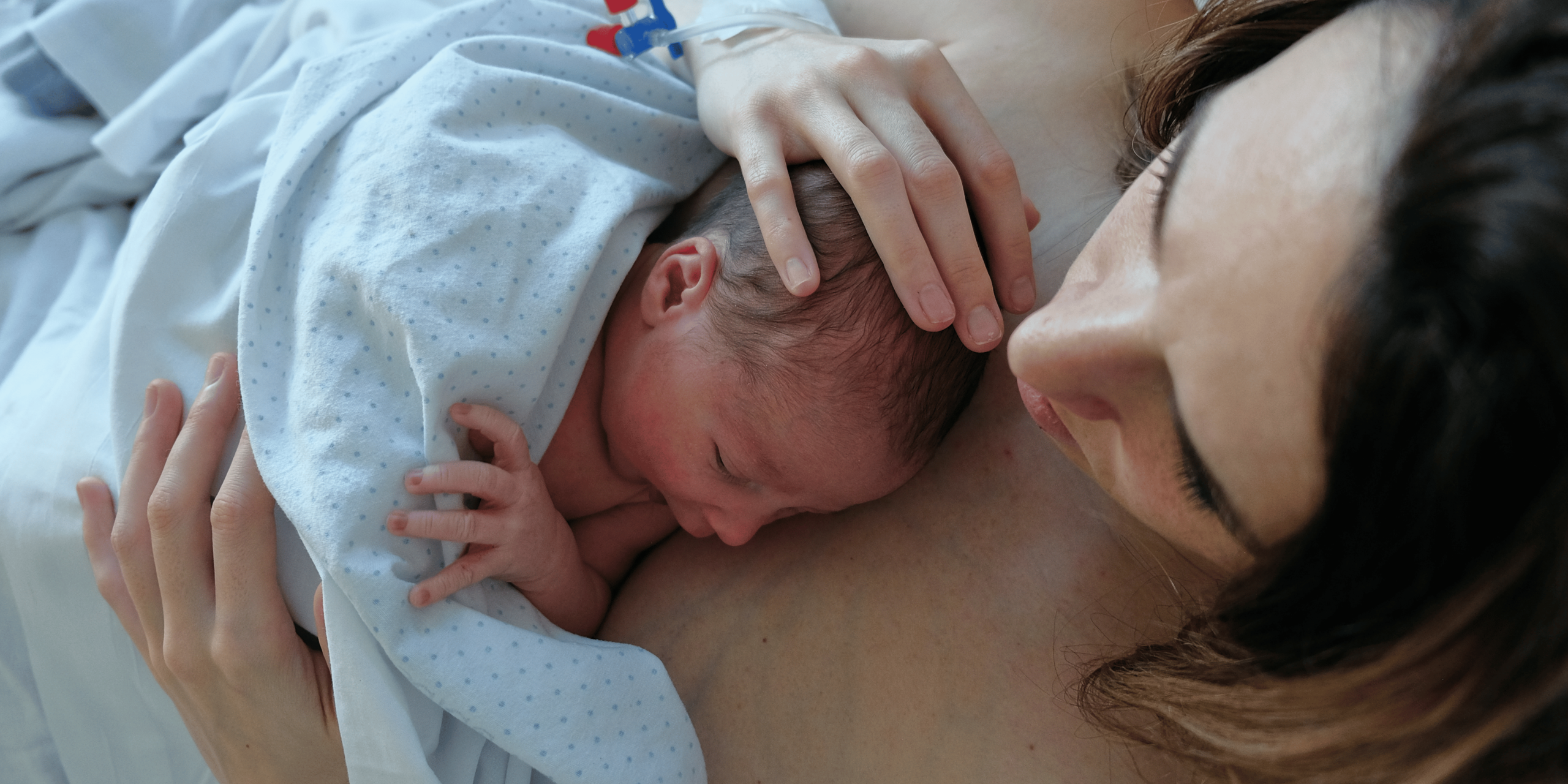
If you’re waking up every two hours to feed, and just want one solid stretch of sleep, you’re not alone. Postpartum sleep deprivation is brutal. So it’s no surprise that a lot of new moms are asking the same question: Can I take melatonin while breastfeeding?
Here’s what the science says.
Quick Answer: Is Melatonin Safe While Breastfeeding?
Short answer: We don’t have a lot of hard data, but most available evidence suggests melatonin is probably safe while breastfeeding—if used carefully and in small doses.
Melatonin is a hormone your body makes naturally, and it’s actually present in breast milk, especially at night. Some experts believe this helps babies learn the difference between day and night.
That said, when you take melatonin as a supplement, you’re putting more of that hormone into your system—and possibly into your breast milk. There’s limited research on exactly how much of it reaches your baby, or what effects it might have.
So far, studies haven’t linked melatonin supplements to serious problems in breastfed babies, but there has been at least one report of a possible side effect (more on that below). Bottom line: it’s not a flat-out no, but you should talk to your doctor before using melatonin while breastfeeding, especially if your baby is premature or has any health issues.
What Is Melatonin And Why Do Breastfeeding Moms Use It?
Melatonin is best known as the “sleep hormone.” Your pineal gland (a small gland in your brain) starts producing it in response to darkness. When the lights go out, melatonin levels go up, helping you feel sleepy and stay asleep.
Melatonin levels naturally rise in the evening, peak during the night, and fall again by morning. It’s part of your body’s built-in clock, or circadian rhythm.
Melatonin supplements are often used for jet lag or night-shift work. For exhausted new moms, they can seem like an easy fix for broken sleep—but they come with some important considerations, especially when you’re breastfeeding.
How Melatonin Works In The Body—And In Breast Milk
Your body starts making melatonin as it gets dark outside. Levels typically peak between 2:00 and 4:00 a.m., then drop by morning. If you’re breastfeeding, your milk follows that same rhythm.
Research shows that melatonin in breast milk rises at night, potentially helping your baby sleep better and develop their own internal clock. It’s one of the many reasons experts recommend breastfeeding on demand, even overnight—you’re passing along important signals through your milk.
But here’s the twist: when you take a melatonin supplement, you’re increasing your body’s levels artificially. That may push more melatonin into your milk, especially if you take it right before a nighttime feed.
We don’t know yet how that extra melatonin affects babies. Some researchers think it’s harmless or even helpful, while others say we need more evidence before calling it safe across the board.

What The Science Says About Taking Melatonin While Breastfeeding
What We Know
- Melatonin is naturally present in breast milk, with higher levels at night.
- Only small studies exist on melatonin use while breastfeeding.
- No serious risks have been consistently documented, but that doesn’t mean they don’t exist.
A 2022 review of human studies published in the Brazilian Journal of Psychiatry found that melatonin use during lactation appears to be safe, but emphasized the lack of large, controlled studies.
One case report did raise eyebrows: a mom taking melatonin regularly noticed her breastfed infant had some bleeding issues. Doctors couldn’t confirm melatonin caused it, but it’s a good reminder that “natural” doesn’t always mean risk-free.
The LactMed database, which many doctors use, says there’s no definitive data but suggests melatonin is likely low-risk if used in moderation.
Some experts also raise concern that melatonin may reduce prolactin, the hormone responsible for milk production. Lower prolactin levels could mean a drop in supply, especially if you’re relying on breastfeeding alone.
What Health Experts Recommend
If you’re feeling whiplash from the mixed messages, you’re not imagining it. Here’s how different trusted sources approach melatonin use during breastfeeding:
- NHS (UK): Says melatonin is likely safe if your baby is healthy, and recommends monitoring (NHS, 2023).
- MotherToBaby: Cautions that research is limited; advises speaking with your provider (MotherToBaby, 2023).
- LactMed (NIH): Notes the lack of studies, but considers low doses unlikely to cause harm (NCBI, 2025).
- Specialist Pharmacy Service (UK): Supports cautious use, especially short-term, with infant monitoring (SPS, 2023).
In short: most experts don’t say “never”—they say “be careful.”
If You Do Choose to Take Melatonin, It’s Smart To:
- Watch for unusual bruising, bleeding, or changes in your baby’s behavior
- Use the lowest effective dose
- Avoid long-term or daily use unless advised by a provider
Reasons You May Want To Avoid Melatonin While Breastfeeding
- It may reduce milk supply by lowering prolactin levels.
- It could alter your baby’s sleep cycles in ways we don’t fully understand.
- It may affect other hormone levels, which can have ripple effects postpartum.
- If you sleep too deeply, you might miss feeding cues, especially in the early weeks.
- It’s not considered safe if you’re bed-sharing, since melatonin can deepen sleep and increase the risk of missing signs from your baby.
Safer Alternatives To Melatonin For Breastfeeding Moms
Before turning to supplements, try these sleep-support strategies that are safe for both you and baby:
- Warm milk before bed, which contains tryptophan—a natural compound that promotes sleep.
- Herbal teas like chamomile or passionflower, known for their calming effects (always confirm safety with your provider).
- Stick to a nighttime routine, even if it’s short: wash your face, brush your teeth, dim the lights.
- Avoid blue light (screens and LED bulbs) at least 1 hour before bed.
- Get daytime sunlight exposure, which boosts melatonin production later at night.
- Eat melatonin-rich foods like tart cherries, bananas, walnuts, and tomatoes.
- Take a warm bath in the evening to help your body unwind and balance hormone levels.
- Limit EMF exposure at night, such as turning off Wi-Fi and silencing your phone.
- Try meditation, deep breathing, or prayer to calm your nervous system naturally.
- Watch or read something light and funny—laughter actually encourages natural melatonin release.
Questions To Ask Before Taking Melatonin While Breastfeeding
Before you pop that supplement, ask yourself:
- Is my baby full-term and healthy?
- How often am I feeding at night?
- Can I delay breastfeeding for a few hours after taking it?
- Have I tried other sleep strategies?
- What dose am I planning to take, and for how long?
Final Thoughts: Is Melatonin The Right Choice For You?
Every breastfeeding journey is different, and so is every mom’s sleep struggle. Melatonin, while breastfeeding, isn’t totally off-limits—but it’s also not totally proven to be safe.
The key is weighing your sleep needs against potential (even if small) risks to your baby. Use the lowest dose, for the shortest time, and only with a green light from your doctor.
You’re doing your best—and that matters. Sleep will come, eventually. And you’re not in this alone.

Resources
- Find a breastfeeding support group near you.
- Milkology Breastfeeding Class – Affordable, video-based online course to help you master breastfeeding at your own pace.
References
- LactMed – U.S. National Library of Medicine (2025-05-11)
- Melatonin Use During Pregnancy and Lactation: A Scoping Review — Brazilian Journal of Psychiatry (2022-11-01)
- Melatonin Fact Sheet — MotherToBaby (2023)
- Pregnancy, Breastfeeding and Melatonin — NHS (2023)
- Antiplatelet Effect of Melatonin through Breastfeeding: A Pediatric Case Report — Children (2023)
- Melatonin in Human Breast Milk and Its Potential Role — Nutrients (2024)
- Variations in Melatonin Levels in Preterm and Term Human Breast Milk — Scientific Reports (2019-04-15)
- Treating Insomnia During Breastfeeding — Specialist Pharmacy Service (2023)
