-

·
What Can I Eat to Help My Breastfed Baby Poop?
If your breastfed baby hasn’t pooped in a while, you might wonder if your diet is the cause. Here’s what’s normal, what’s not, and what you can eat to gently support your baby’s digestion while keeping your own gut in good shape.
-

·
Breastfeeding Triplets – Tips, and Milk Supply Secrets That Work
Breastfeeding triplets may seem impossible, but many moms have proven it can be done. This guide shares practical, research-backed tips for building milk supply, managing feeding schedules, and caring for yourself while nourishing three babies.
-

·
Breast Milk Production – The Magic & Science of Breastfeeding
Understanding breast milk production can help you solve common breastfeeding challenges. From hormonal triggers to supply-and-demand basics, this article breaks it all down in plain language—so you feel supported, informed, and empowered to nourish your baby with confidence.
-

·
Infant Immunity via Breast Milk – Why Is It So Important?
Breast milk is more than food—it’s your baby’s first immune system. This article breaks down how it protects your baby, what immunity actually means, and why breastfeeding matters for both short-term illness prevention and lifelong health.
-
·
Why Is Colostrum So Important for Newborn Babies?
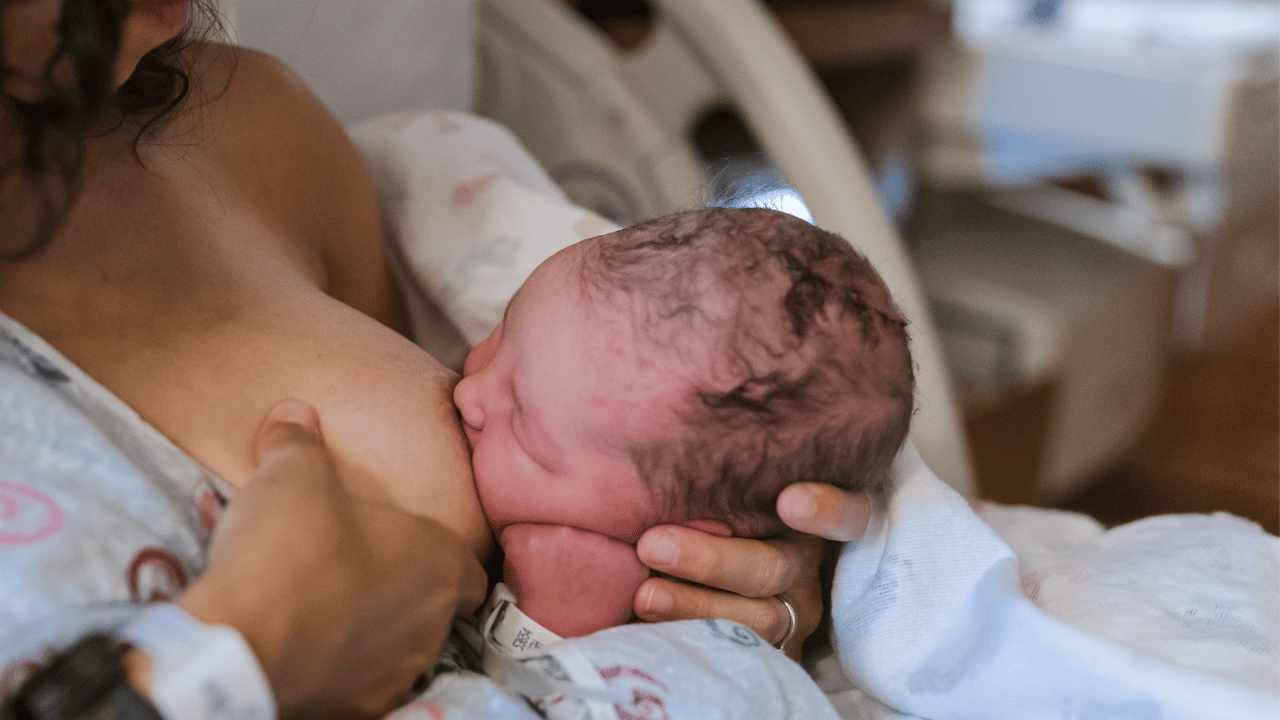
Colostrum, often called “liquid gold,” is a newborn’s first milk—rich in antibodies, nutrients, and immune-boosting power. Produced in small amounts, this early milk jumpstarts your baby’s health by protecting the gut, aiding digestion, and laying the foundation for lifelong immunity. Every drop delivers vital protection in the first days.
-

·
What Are the Benefits of Breastfeeding? Why Breastfeed?
The benefits of breastfeeding are immense; nothing can compare to the properties of human milk. The Benefits of Breastfeeding Breastfeeding vs. bottle feeding Breastmilk contains a 100% correct ratio of calories, fat, protein, fluid, vitamins, and minerals essential for a baby’s development and growth. The benefits of breastfeeding mentioned below will hopefully prove that by…
-
·
How to Increase Oxytocin While Breastfeeding
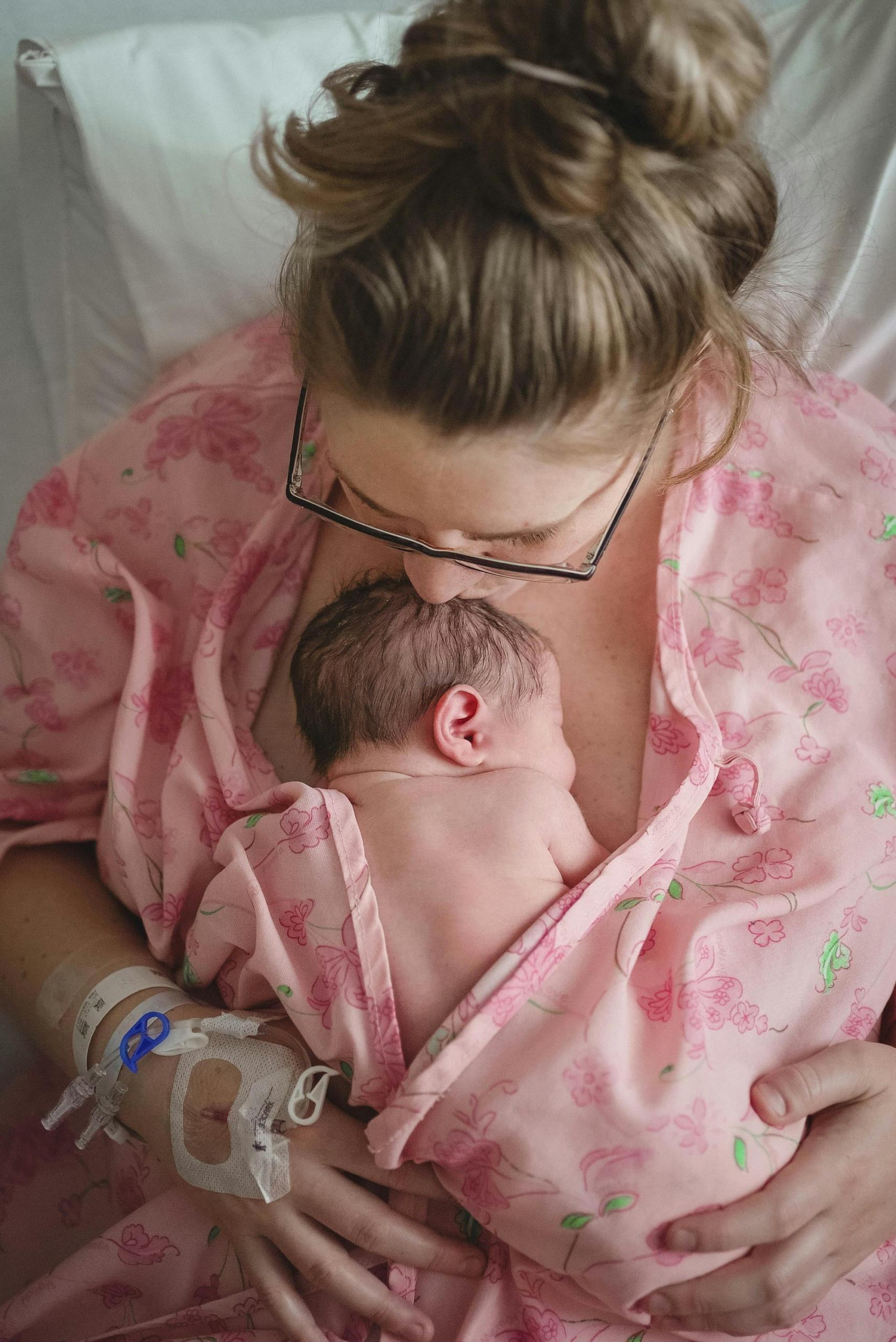
Skin-to-skin contact has many benefits, but one of these is the release of hormones that promote breastfeeding. Oxytocin is released when a mother and baby are touching; in fact, a mother may experience a rush of Oxytocin when she hears, sees or even thinks about her baby. Also known as the Love Hormone, the benefits…
-
·
When Does Breast Milk Come In?
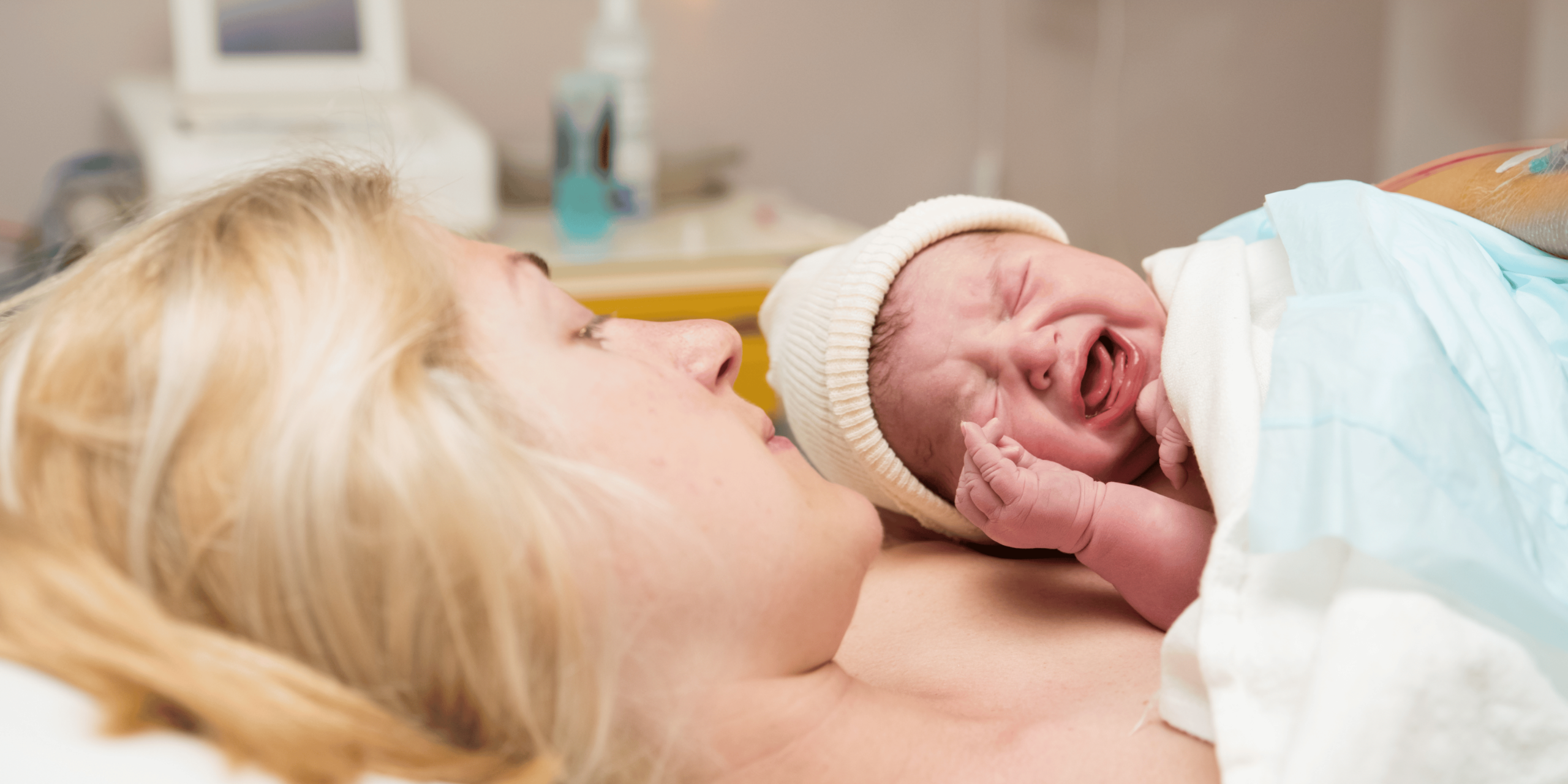
It is best to breastfeed as early as possible after birth and as often as possible during those first few days to encourage the onset of mature milk. A baby is usually quite alert immediately after a natural birth, which makes the first hour following birth the best time to initiate breastfeeding. Colostrum is the…
-

·
Why Does Milk Let-Down When Baby Cries?
It felt pretty unbelievable the first few times I felt tingling in my breasts and a release of milk when my baby cried. I noticed this would happen when I reminisced about my baby or even when I heard a stranger’s baby cry. Incredibly, a person’s body can react instinctively. Our bodies are so perfectly…
-
·
Could Breastfeeding Reduce the Risk of ADHD?
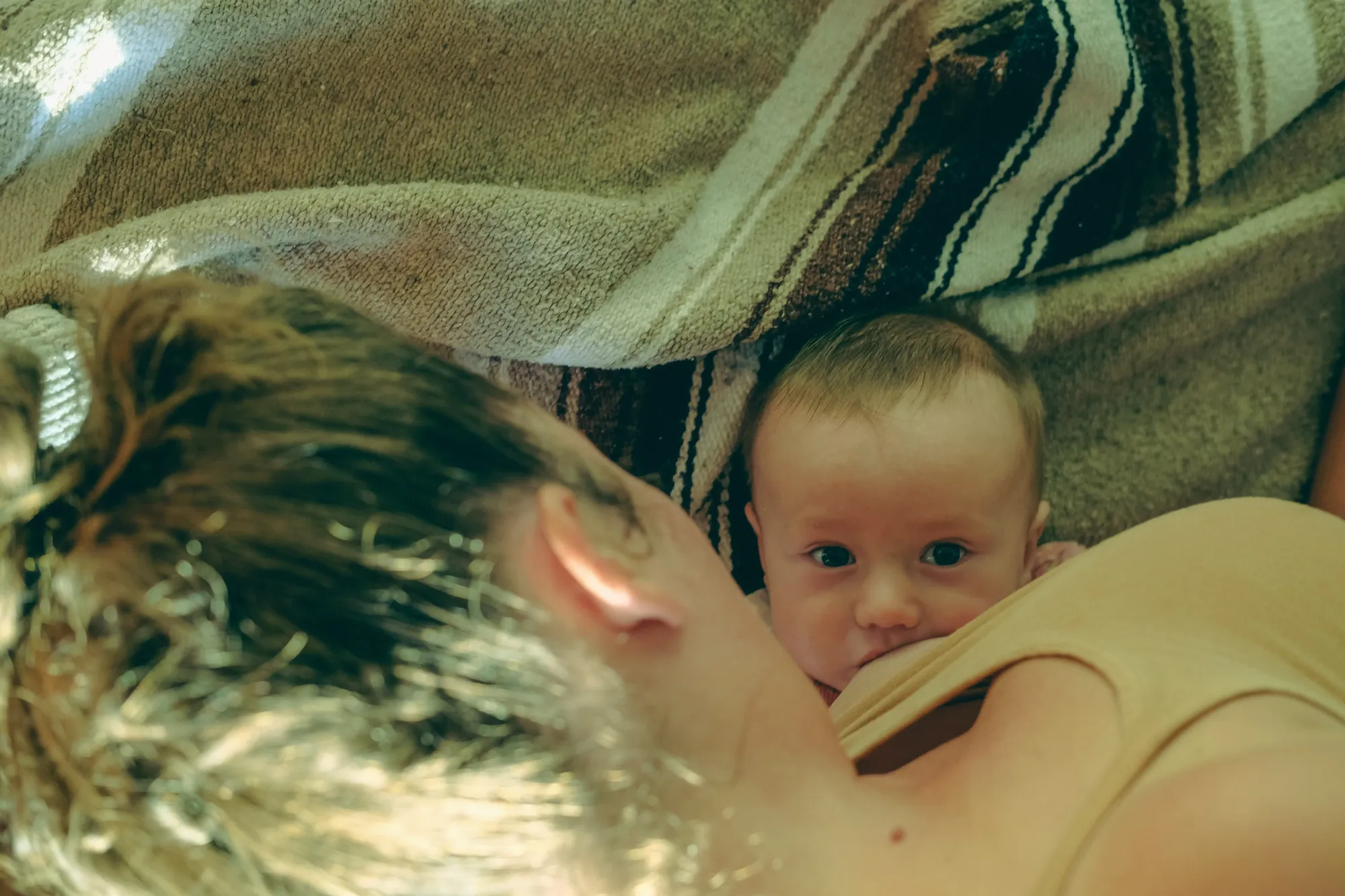
Breastfeeding reduces the risk of ADHD by promoting a strong bond between mother and baby and providing important nutrients to help boost brain development. ADHD, or attention deficit hyperactivity disorder, can cause focus issues and impulsive behavior, including hyperactivity and emotional problems. While some children may show only a few of these symptoms, others may…