-

·
How to Breastfeed in a Nursing Sling: Tips & Babywearing Benefits
Write For Me said: Breastfeeding in a nursing sling gives you freedom, comfort, and connection—all while keeping your hands (mostly) free. This guide walks you through how to do it safely and confidently, with step-by-step instructions, practical tips, and real-mom insight.
-

·
Baby Won’t Stop Crying? Reasons for Crying & How to Help
Not sure why your baby is crying? You’re not alone. This guide helps new moms understand normal crying patterns, common causes, and what to do when nothing seems to work. It’s real, reassuring, and packed with practical tips to soothe your baby—and yourself—during those overwhelming moments.
-
·
Why Is Skin-to-Skin Contact Important?
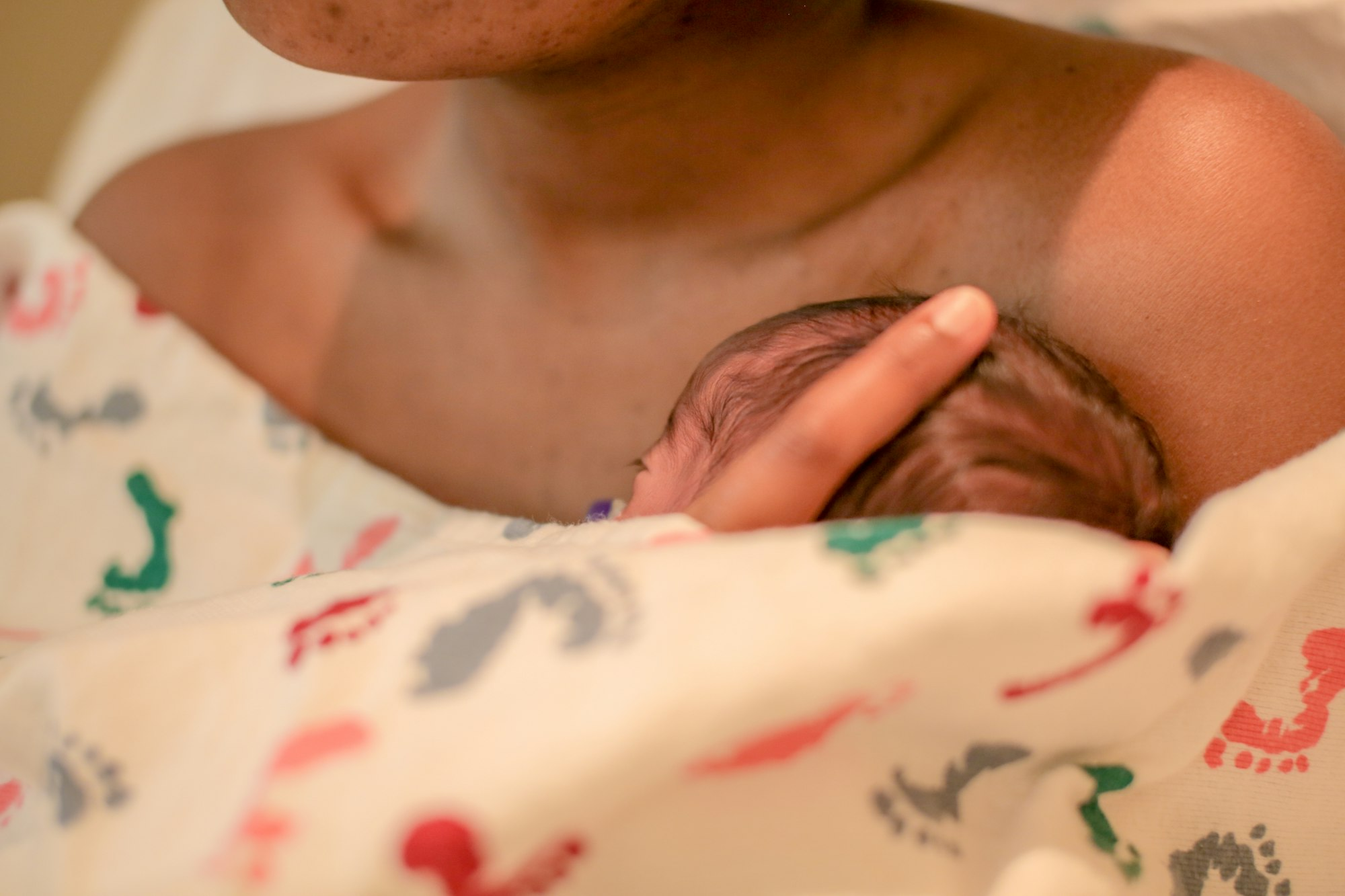
Skin-to-skin contact after birth is a simple, powerful way to support your baby’s health and emotional well-being. It regulates temperature, boosts bonding, and promotes breastfeeding. This guide explains why it matters for both parents and babies—especially after C-sections or premature birth—and how to include it in your birth plan.
-

·
Tandem Nursing
A guide for mothers looking to understand the complexities and rewards of tandem nursing. What Is Tandem Nursing? Tandem nursing is apparent when a mother falls pregnant while nursing and then has to nurse her toddler and baby simultaneously or if the mother is breastfeeding twins. Is nursing during pregnancy dangerous? If you fall pregnant while breastfeeding, you do…
-

·
4 Incredible Benefits of Co-sleeping While Breastfeeding
Is it advisable to co-sleep with a newborn? From both a psychological and biological standpoint, babies are not naturally designed to sleep entirely on their own. What Does Co-Sleeping Mean? Co-sleeping means that you are within sensory range of your baby. Within sensory range means that you are close enough to your baby to recognize…
-

·
What Are the Benefits of Breastfeeding? Why Breastfeed?
The benefits of breastfeeding are immense; nothing can compare to the properties of human milk. The Benefits of Breastfeeding Breastfeeding vs. bottle feeding Breastmilk contains a 100% correct ratio of calories, fat, protein, fluid, vitamins, and minerals essential for a baby’s development and growth. The benefits of breastfeeding mentioned below will hopefully prove that by…
-

·
The Supplemental Nursing System – A Game-Changing Option
A Supplemental Nursing System (SNS) helps babies feed at the breast while receiving extra milk. Whether you’re dealing with low supply, relactation, or adoptive nursing, the SNS offers a bonding, milk-stimulating solution. Here’s how it works, who it’s for, and how to use it without added stress.
-
·
How to Increase Oxytocin While Breastfeeding
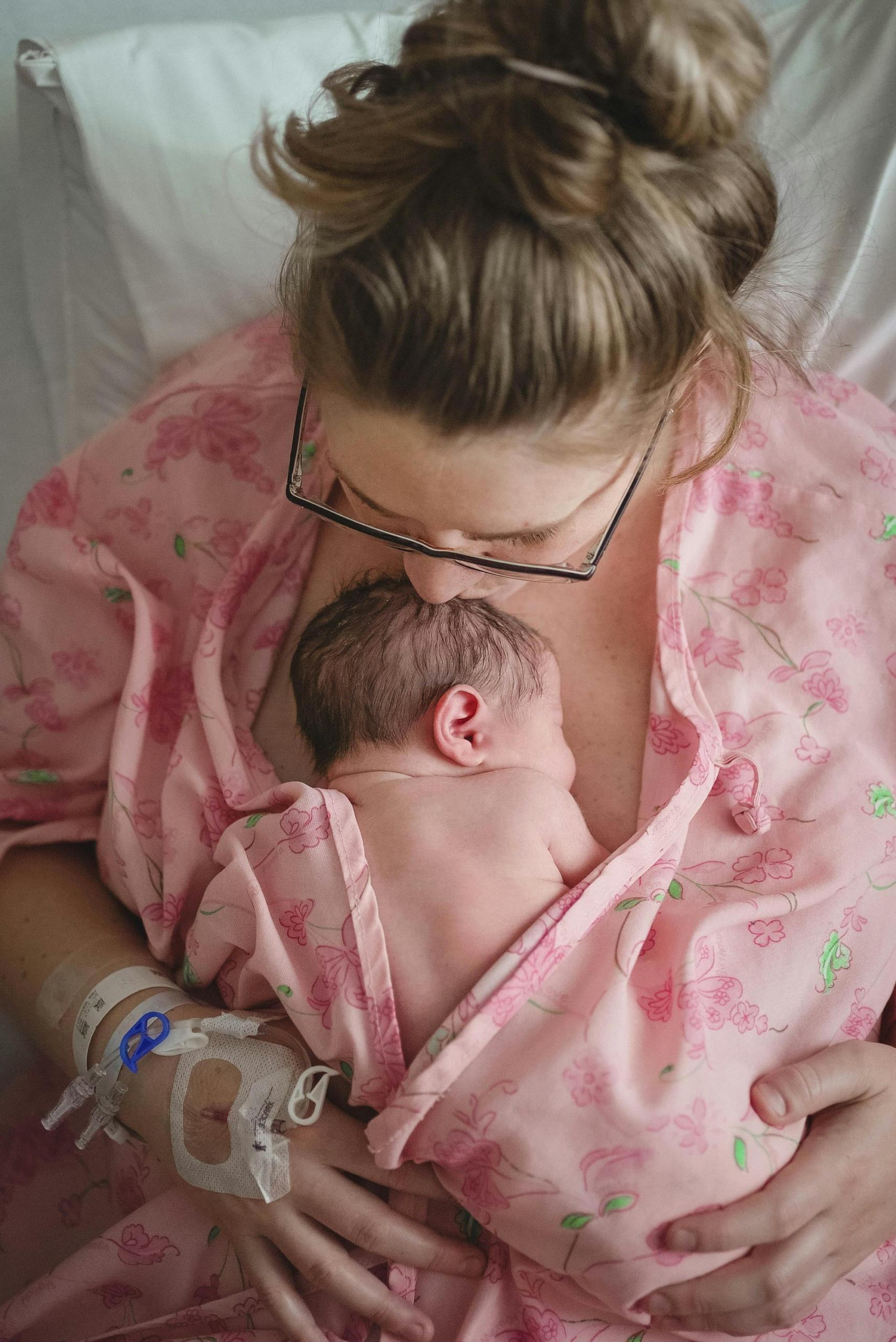
Skin-to-skin contact has many benefits, but one of these is the release of hormones that promote breastfeeding. Oxytocin is released when a mother and baby are touching; in fact, a mother may experience a rush of Oxytocin when she hears, sees or even thinks about her baby. Also known as the Love Hormone, the benefits…
-

·
Baby Sleep Schedule – Improve Your Baby’s Sleep.
Did you know that breast milk contains an amino acid that the body uses to produce melatonin, the hormone that regulates sleep? Baby Sleep Schedule The Initial Weeks The initial weeks of a baby’s life can be especially exhausting for parents. However, there are methods to make it easier and enable your baby to sleep…
-

·
The Breast Crawl – The First Time You Breastfeed Your Baby
The Newborn Breast Crawl A newborn baby can crawl from the middle of a mother’s chest to her nipple, latch on and suckle all without assistance! The miracle of childbirth is shown here and shows just how natural breastfeeding is. This magical video will help mothers understand that they can allow their babies to initiate breastfeeding right…
Tag: Attachment Parenting
 Explore the principles of attachment parenting and how to foster a strong, nurturing bond with your baby. Learn about responsive caregiving, gentle discipline, babywearing, co-sleeping, and other practices that support your child’s emotional and physical well-being.