-

·
Super Pumping aka Power Pumping
Super pumping, also known as cluster pumping or power pumping, is a technique designed to simulate the feeding pattern of a growth spurt What Is Super Pumping, aka Power Pumping? Babies experiencing a growth spurt tend to feed more frequently and for longer durations. Super pumping aims to stimulate increased milk production in lactating mothers…
-

·
Where to Turn to for Help With Breastfeeding
Breastfeeding Help and Support Being a new parent can sometimes be an isolating experience when you’re at home with a new baby. If you’re experiencing breastfeeding problems, you might feel like there’s no one you can turn to for help. You might even believe that people will judge you for not adapting to breastfeeding naturally. …
-

·
Is Your Baby Getting Enough Breast Milk? Here’s How to Tell
Wondering if your baby is getting enough breast milk? You’re not alone. This guide breaks down the clear signs to watch for—from diaper output and weight gain to feeding behavior—so you can breastfeed with confidence.
-

·
Low Milk Supply? Causes, Signs, and Ways to Boost Supply
Worried about low milk supply? Learn the real signs, common causes, and proven ways to boost breast milk production. From latch issues to hormonal factors, this guide helps you separate fact from myth—and gives you practical, supportive steps to feed your baby with confidence.
-

·
Breastfeeding and Stress
Some studies show that a defective let-down reflex is also connected to stress. Breastfeeding in itself is calming. The hormones Prolactin and Oxytocin are released during breastfeeding, which gives a mother the feeling of tranquillity How do you relax during breastfeeding and combat breastfeeding boredom? Breastfeeding stress reduction is key, as your milk supply depends…
-

·
Lactation Tea Secrets – The Herbs That Truly Boost Milk Supply
Discover how lactation tea can support your breastfeeding goals with safe, natural herbs. This guide covers what’s inside each blend, how these teas work, and how to use them effectively—plus tips, and recipes.
-

·
Does Mother’s Milk Tea Actually Work?
Does lactation tea work? For various reasons, an abundance of milk is not always possible for some nursing moms. Sometimes all that is needed is something like mothers milk lactation tea, which can help establish breastfeeding. Low milk supply is one of the most common breastfeeding concerns. The best way to increase your milk supply…
-

·
6 Drinks That Increase Milk Supply
While the key to successful breastfeeding is often a combination of factors, including proper latch and frequent nursing, the drinks you consume can also significantly enhance milk production. It’s important to know that experiencing a low milk supply or sudden decline in milk supply during breastfeeding is common. Many women, myself included, have encountered this…
-

·
Alfalfa and Breastfeeding – Does It Really Boost Milk Production?
Alfalfa is a popular herb among breastfeeding moms, often used to support milk supply. It’s rich in nutrients and traditionally used for lactation. This article explores how alfalfa works, how to use it safely, and what to consider before adding it to your routine.
-
·
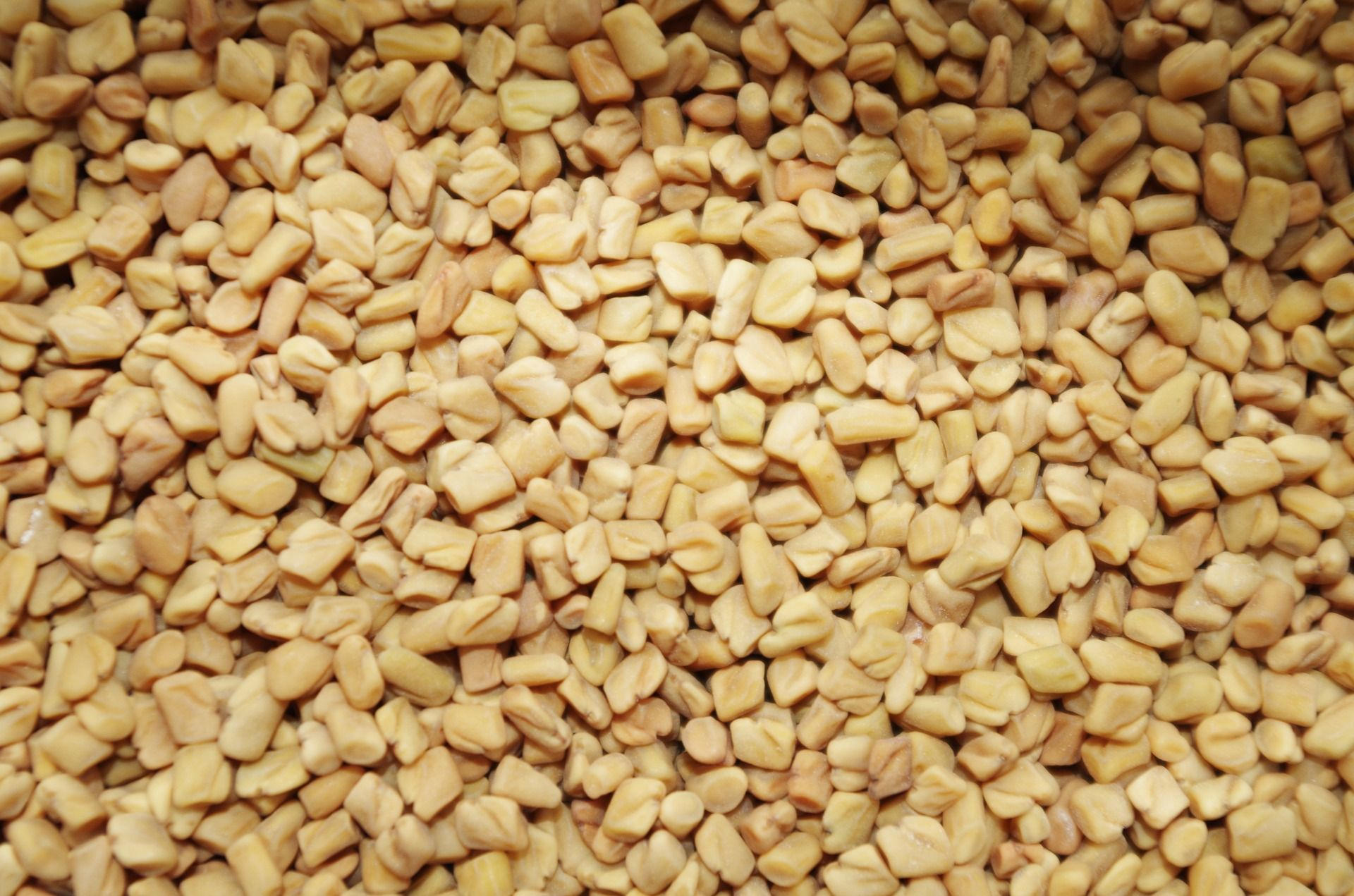
Taking Fenugreek While Breastfeeding – What You Need to Know
Wondering if fenugreek can help boost your milk supply? This guide breaks down what it is, how it works, how to take it safely, and when to avoid it. Get the facts before you sip the tea or pop the capsule.
Tag: Low Milk Supply
 This tag is used for content and discussions related to insufficient milk production during breastfeeding. It covers both perceived low supply, where a parent worries their supply is inadequate despite the baby thriving, and actual low supply, where milk production does not meet the baby’s nutritional needs.
This is a central resource for parents seeking information, support, and solutions for challenges with milk production.
We Look Into:
Signs of Low Supply: How to differentiate between true signs of insufficient milk transfer (like poor weight gain or low diaper output) and normal infant behaviours (like frequent feeding, fussiness, or shorter nursing sessions).
Causes and Contributing Factors: Exploring common reasons for reduced milk production, including:
Infrequent or ineffective milk removal (due to poor latch, scheduled feeds, or missed pumping sessions).
Hormonal conditions (e.g., PCOS, thyroid issues).
Certain medications or herbs.
Previous breast surgery.
Supplementing with formula without protecting the milk supply.
Strategies to Increase Milk Supply: Practical advice and methods for boosting production, such as:
Power pumping: A specific pumping schedule that mimics cluster feeding.
Galactagogues: Information on foods, herbs (like fenugreek or moringa), and prescription medications known to increase milk supply.
Ensuring a proper latch and effective milk transfer.
Increasing the frequency of nursing or pumping sessions.
Supplementation: Guidance on when and how to supplement with expressed breast milk, donor milk, or formula while protecting the breastfeeding relationship.
Professional Support: Information on when to seek help from a lactation consultant (IBCLC), doctor, or paediatrician to diagnose and manage supply issues.
Personal Stories and Emotional Support: A space for parents to share their experiences, frustrations, and successes, creating a supportive community around a common and often stressful feeding challenge.